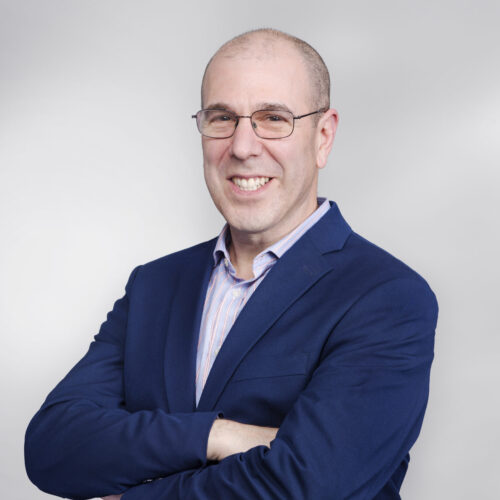
Can you tell us about your current research and what inspired you to pursue this area?
I study the best ways to improve health care for people with or at risk of psychiatric or developmental disabilities, with a particular focus on autism. I’ve always been interested in children’s mental health, but got interested in autism as a doctoral student, when I worked for the Philadelphia Department of Behavioral Health. They asked me to study what was going on with children in their system who were using a lot of services year after year. When I looked at the 100 highest service users, 50 of them had an autism diagnosis. I got out from behind my computer and met with those families. I was very moved by the struggles they described in trying to cobble together services for their kids and thought to myself “this is a problem I can help fix.” At the same time, people were becoming aware of the rising rates of autism diagnosis and the challenges we had in caring for this group, which gave me a platform to start this research.
How does your research intersect with real-world challenges?
My research comes from real-world challenges. All of my research is community partnered. When I meet with a potential partner, my first question is “what’s keeping you up at night?” This leads to a discussion of how my research skills and experience can intersect with their expertise to solve a problem that will help people in need.
What do you find most rewarding about working in the Department of Biostatistics, Epidemiology, and Informatics?
I love learning new things and DBEI is the best place to do it! My research has been advanced tremendously by learning more about prediction, emulated target trials, and large language models. I’ve found wonderful collaborators here. Plus everyone has been super friendly and welcoming. I love the culture that brings the department together for so many activities and celebrations.
Can you share a significant recent project, publication, or professional recognition that you are particularly proud of contributing to or achieving?
I’m really proud of a three-arm randomized trial we just completed that compared different models of care for people with an opioid use disorder and a psychiatric disorder. We had an amazing, huge, multidisciplinary team that brought all sorts of expertise to bear on this complicated, 5-year endeavor.
What advice would you give to students or early-career professionals in your field?
Right now is a really hard time to be entering research. The world seems very bleak. I remind people that this will pass and that they have lots of time to be successful. They need data and salary support to move their research forward, and there are many ways to get both. I also tell people to start with “why.” Why are you doing what you’re doing? Who are you helping? How will you make their lives better? These should be your anchoring principles as you move your career forward.
What is an interest or pastime that you enjoy outside of academia?
My wife says that I am a serial hobby auditioner. I love trying new things. Those that have stuck over the years, are running, lifting weights, woodworking, and baking bread.